Wedding Overlays: The Secret to Timeless Wedding Photography
Every couple treasures their wedding photos as a tangible piece of a perfect day. They are the visual story that gets passed down through generations, capturing the love, joy, and intricate details that made the celebration unique. But what if you could add another layer of artistry and sentiment to those images? Imagine giving your photos a handcrafted, vintage feel that evokes the romance of a bygone era. This is where the magic of beautifully designed photo overlays comes into play, offering a simple yet profound way to elevate your photography from lovely to truly breathtaking.
Beyond the Filter: Adding a Handcrafted Narrative
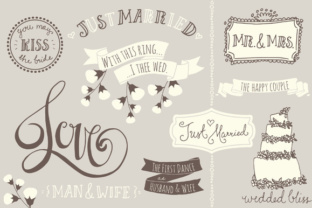
Unlike a standard Instagram filter, a thoughtfully designed overlay doesn't just change the color tone of an image; it integrates a new element of artistry. The set we're discussing features exquisite, hand-drawn motifs—from delicate floral borders and ornate frames to elegant script flourishes. Each element is rendered in a timeless sepia palette, designed to complement the warmth and romance inherent in wedding imagery. The beauty lies in its versatility. Whether you're a professional photographer looking to expand your editing toolkit, a bride creating personalized thank you cards, or a designer building a romantic brand identity, these assets provide a tangible, vintage charm that digital filters alone cannot replicate.
The process is designed for both simplicity and deep customization. At its most basic, you can place a transparent PNG overlay directly onto your photograph and adjust its opacity until it blends seamlessly. For those who want full creative control, the included layered PSD files allow you to change colors, modify individual elements, and truly make the design your own. The inclusion of vector files and Photoshop brushes means these motifs aren't just static images—they're flexible design assets ready for any project.
Practical Applications for Creatives and Entrepreneurs
The true value of a resource like this is measured by its utility across a spectrum of projects. For photographers, these overlays are a game-changer for creating signature editing styles. Imagine offering clients a unique "vintage storybook" collection of their images, setting your portfolio apart in a crowded market. The consistent use of these overlays can become a recognizable part of your brand's visual identity, much like a signature font or color palette.
For small business owners and entrepreneurs in the wedding industry, the applications are endless. Consider these practical uses:
- Branding & Logo Design: Use a single ornate corner or a subtle flourish to add a romantic, bespoke touch to your logo, business cards, or stationery.
- Packaging & Merchandise: Elevate your product packaging for wedding favors, jewelry, or artisan goods with a hand-stamped, vintage aesthetic.
- Social Media & Web Design: Create cohesive and engaging Instagram posts, Pinterest pins, or website banners that tell a romantic visual story, increasing audience engagement and brand recognition.
- Print & Editorial: Design stunning wedding invitations, programs, thank you cards, or magazine layouts that feel personally crafted and luxurious.
- Digital Products: Enhance the perceived value of digital downloads, such as wedding planning templates or photo presets, with beautiful, integrated graphics.
The key is to use these elements not as a crutch, but as an accent. A well-placed border can frame the couple perfectly, while a subtle background texture can add depth without distracting from the subject. The goal is to enhance the emotion of the photograph, not overshadow it.
Integrating Overlays into Your Design Workflow
Successfully incorporating any new design asset requires a bit of strategy. First, consider the mood of your project. The hand-drawn, vintage style of these overlays pairs beautifully with soft, natural light photography, classic serif fonts, and a muted color palette. They might clash with ultra-modern, high-contrast, or minimalist aesthetics. Always match the tool to the intended emotional outcome.
When working with the overlays, less is often more. Start with a low opacity—perhaps 30-50%—and see how the element interacts with the underlying image. The transparency feature is your best friend for achieving a subtle, integrated look. For text-based projects, like thank you cards, remember that the text within the overlays is hand-drawn and non-editable. This means you should plan your layout around the fixed graphic element, using it as a central frame or decorative accent and adding your own editable text separately using a complementary script font or handwritten font.
Finally, always review the full contents of any design asset pack. Understanding what's included—like the various color versions, stamp formats, and vector files—saves time and unlocks creative possibilities you might not have initially considered. For commercial use, double-check the licensing to ensure it covers your specific projects, whether for client work, merchandise, or digital products.
A Thoughtful Tool for Visual Storytelling
Ultimately, the best design assets are those that help you tell a better story. This collection of overlays is more than just a set of decorative graphics; it's a tool for adding a layer of handcrafted sentiment and timeless elegance to visual narratives centered around love and celebration. It empowers creators—from the hobbyist scrapbooker to the professional brand strategist—to produce work that feels personal, polished, and emotionally resonant. In a world saturated with digital perfection, a touch of hand-drawn artistry might just be the detail that makes your work, and your memories, truly unforgettable.