Wedding Invitation Floral Wreath Roses: A Designer's Guide
There’s something undeniably romantic about a floral wreath. It’s a circle of life, a symbol of unity, and when it’s crafted with delicate roses and soft, pastel greens and reds, it becomes the very essence of a wedding’s heartfelt promise. For designers, entrepreneurs, and creative minds, the Wedding Invitation Floral Wreath Roses vector illustration isn’t just a pretty picture—it’s a versatile design asset that can bring a cohesive, elegant, and emotionally resonant touch to a vast array of projects, far beyond the stationery it’s named for.
The Visual Language of a Pastel Floral Wreath
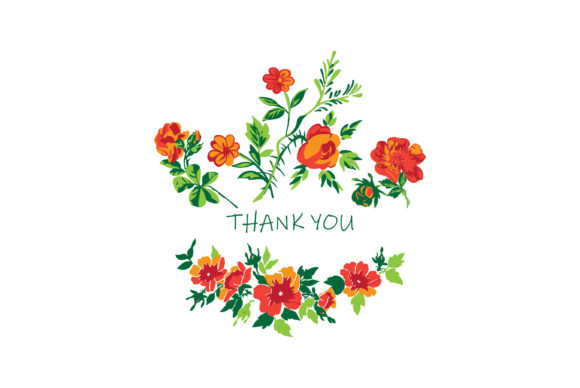
At its core, this design element is a masterclass in soft, romantic aesthetics. The wreath roses flowers, with their layered petals and gentle curves, provide a focal point of classic beauty. The accompanying stems and leaves aren’t just fillers; they add movement and a natural, organic flow. The color palette—pastel green and red on a white background—is strategically chosen. Pastel green evokes freshness, growth, and tranquility, while the muted red of the roses speaks to love, passion, and celebration without being overwhelming. The white background ensures maximum versatility, allowing the wreath to pop on any surface or blend seamlessly into a larger layout. This isn’t a loud, competing graphic; it’s a sophisticated frame that guides the viewer’s eye.
Beyond the Envelope: Strategic Applications for Your Brand
While its namesake is the wedding invitation floral card, the utility of this vector illustration stretches across the entire design landscape. Think of it as a foundational design asset for building a brand’s visual identity.
For branding and logo design, a simplified version of the wreath can become a memorable logomark for businesses in the wedding industry, floral shops, boutique bakeries, or lifestyle brands aiming for a soft, artisanal feel. In packaging design, it can adorn the sleeves of a candle box, the label of a artisanal soap, or the tissue paper wrapping for a gift, instantly elevating the perceived value and creating a premium unboxing experience.
Digital spaces are where this asset truly shines. As part of a social media graphics kit, it can frame Instagram quotes, announce sales for a floral studio, or create beautiful Pinterest pins for wedding planners. On a website, it can serve as a decorative header, a subtle background element, or a compelling feature for an “About Us” page for a creative entrepreneur. For bloggers and content creators, it’s perfect for creating featured images that align with a romantic, elegant, or nature-inspired niche.
The applications extend into tangible goods and print materials. Imagine this wreath on a poster for a local garden show, a greeting card for a friend, or as part of a birthday celebration kit. It can be the centerpiece of editorial layouts in magazines or lookbooks, or incorporated into digital products like printable planners, worksheets, or social media templates. For marketing assets, it can soften the look of an email newsletter header or add a touch of elegance to a promotional flyer.
Enhancing Your Design Workflow and Output
Integrating a high-quality asset like the Wedding Invitation Floral Wreath Roses into your toolkit does more than just add a pretty picture. It fundamentally improves key aspects of your work.
First, it fosters visual consistency. Using the same core wreath element across a client’s website, business cards, and social media creates an immediate and recognizable brand signature. This directly boosts brand recognition; customers begin to associate that specific floral style with the business’s quality and personality. The clean vector format ensures professional presentation—lines remain crisp at any scale, from a tiny favicon to a large banner, avoiding the pixelation that can undermine credibility.
From a user experience standpoint, the structured, circular nature of a wreath can actually aid readability. When used as a frame for text, it naturally contains the viewer’s focus. More importantly, its inherent beauty drives audience engagement. A well-placed, aesthetically pleasing graphic stops the scroll, invites a closer look, and creates a positive emotional connection with the content it accompanies.
Practical Advice for Implementation
Having the asset is one thing; using it effectively is another. Here’s how to make the most of it:
- Choosing the Right Context: This wreath has a distinct personality—romantic, soft, and traditional. It’s perfect for projects targeting an audience that values elegance, nature, and craftsmanship. It might not be the best fit for a gritty, urban streetwear brand or a hyper-minimalist tech startup. Always match the asset’s mood to your project’s goals.
- Font Pairing is Crucial: The floral illustration will dictate your typographic choices. Pair it with a serif font for a classic, timeless feel, or a clean sans serif font for a more modern contrast. A script font or handwritten font can amplify the romantic vibe, but use it sparingly for headlines to maintain readability. The key is balance; let the wreath and the type work together, not compete.
- Test and Adapt: Don’t just drop it in. Experiment with placement. Use the full wreath as a border, isolate a single rose cluster as an accent, or use the leaves and stems as a subtle, repeating pattern. Scale it, recolor elements if the vector allows, and see how it interacts with your color scheme and layout.
- Understand Your License: This is a commercial font and design asset scenario. Whether you’re a freelancer using it for client work or a business owner using it for your own brand, ensure you have the proper commercial licensing. This protects you legally and ensures you’re respecting the creator’s work. Reputable sources will be clear about what’s permitted for logo design, merchandise, and digital products.
In the end, a thoughtfully chosen design element like the Wedding Invitation Floral Wreath Roses is more than decoration. It’s a strategic tool for storytelling, a bridge to connect with an audience on an emotional level, and a building block for creating work that feels both beautiful and intentional. By understanding its visual language and applying it with purpose, you transform a simple graphic into a powerful component of your creative and commercial success.