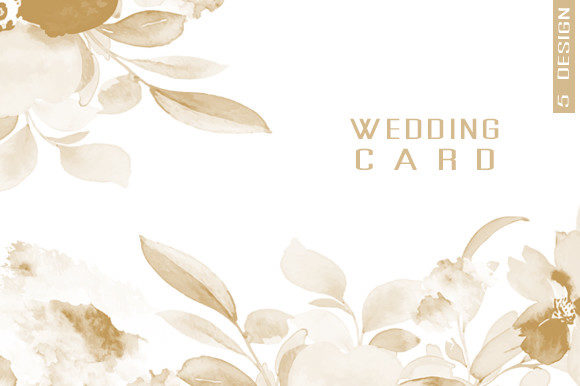
Wedding Card Coffee Color: 5-Set Design for Elegant Invitations
There's a moment when you hold a wedding invitation and it just feels right—the texture, the color, the way everything comes together. That warm, earthy tone of coffee-colored stationery has a way of making an event feel intimate and sophisticated before guests even read a single word. If you've been searching for a design template that captures that exact feeling, the Wedding Card Coffee Color 5 Set Design might be exactly what your next project needs.
Why Coffee-Toned Invitations Stand Out
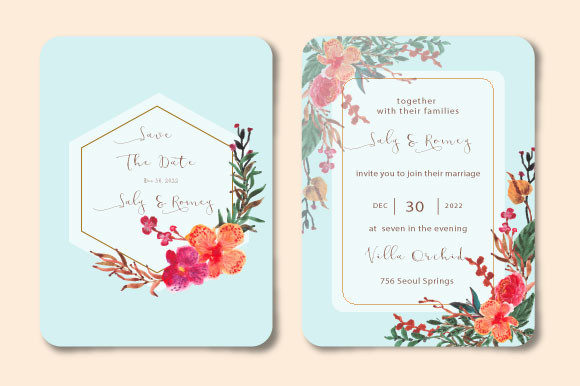
Coffee color sits in a beautiful middle ground. It's warmer than gray, more refined than standard brown, and carries an organic elegance that works across seasons and themes. Think about how a perfectly brewed latte looks against a white marble counter—that contrast is what makes this palette so visually compelling. The Wedding Card Coffee Color collection uses watercolor illustration techniques to create a soft, handcrafted aesthetic that feels personal without being overly rustic.
What makes this particular set practical is the variety. You get five distinct variants, each with its own layout and decorative elements while maintaining a cohesive color story. That means you can use one design for save-the-dates, another for the actual invitation, a third for RSVP cards, and still have options left for thank-you notes or reception details. Consistency across all wedding stationery creates a polished, intentional look that guests notice.
What's Inside the Package
The download includes AI, EPS, and PSD formats at 300 DPI, which covers the major design software most professionals and hobbyists use. If you have basic Illustrator knowledge, you can open these files and start customizing immediately. The vector format means you can scale elements up or down without losing quality—handy if you decide to turn a card design into a large welcome sign for the venue or shrink it for menu cards.
Each file is organized with editable layers, so changing text, swapping colors, or rearranging decorative elements doesn't require advanced skills. The watercolor floral accents, soft gradient backgrounds, and elegant typography are all separated, giving you control over every visual component. For someone running a small stationery business or a bride managing her own wedding details, this kind of flexibility saves hours of work.
Practical Uses Beyond Wedding Invitations
While the name suggests wedding-specific use, coffee-toned watercolor designs work beautifully across a range of projects. Brand designers often gravitate toward warm neutrals when creating identities for boutique businesses—think artisan bakeries, specialty coffee shops, skincare brands, or lifestyle blogs. The soft watercolor style communicates authenticity and craftsmanship, qualities that resonate with audiences who value handmade and curated experiences.
Here are some directions you could take these designs:
- Brand collateral: Business cards, letterheads, and thank-you cards for small businesses that want a warm, approachable identity.
- Packaging design: Product labels, box inserts, or tissue paper patterns for brands selling candles, chocolates, or organic goods.
- Social media graphics: Instagram posts, story templates, or Pinterest pins for wedding planners, event stylists, or lifestyle influencers.
- Digital products: Printable planners, journal covers, or digital invitations sold on Etsy or Creative Market.
- Editorial layouts: Magazine features, blog headers, or e-book covers where a soft, sophisticated aesthetic is needed.
- Event stationery: Baby showers, bridal brunches, garden parties, or milestone celebrations that call for an elegant but not overly formal tone.
The versatility of a well-crafted color palette and illustration set like this one means your initial investment stretches across multiple projects and clients.
Matching Design Elements to Your Project Goals
Choosing the right design template starts with understanding your audience. A coffee-color palette communicates warmth, reliability, and understated luxury. It works particularly well when your project targets adults who appreciate classic aesthetics with a modern twist. If you're designing for a couple who wants their wedding to feel like an intimate gathering rather than a grand spectacle, this color story supports that vision perfectly.
Typography pairing matters too. The included template uses elegant serif and script combinations that complement the watercolor illustrations. If you decide to customize further, consider pairing the existing fonts with a clean sans-serif for body text on digital platforms. Readability should always guide your choices—decorative fonts look stunning on headings and invitations but become difficult to read in smaller sizes or on screens.
When working with the files, test your designs at actual print size before sending anything to production. Colors on screen can shift when printed, especially with warm tones like coffee and caramel. Request a proof from your printer, and if possible, test on different paper stocks. A matte finish enhances the watercolor effect, while a slight gloss can make the colors pop more vibrantly.
Building Visual Consistency Across Touchpoints
One of the biggest advantages of working with a cohesive design set is the ability to maintain visual consistency. Whether you're a freelance designer managing multiple client projects or a bride coordinating every detail of her wedding, having five complementary designs in the same palette eliminates the guesswork. Your save-the-date feels connected to your invitation, which flows naturally into your day-of signage and thank-you cards.
This principle applies equally to branding projects. When a small business uses consistent colors and design language across its website, packaging, social media, and print materials, it builds recognition. Customers start associating those visual cues with the brand's values and quality. A coffee-toned watercolor aesthetic tells a specific story—one of warmth, attention to detail, and artisanal quality—that can differentiate a business in a crowded market.
Getting Started and Getting Support
If you're comfortable with basic Illustrator operations—selecting objects, editing text, changing colors—you'll find these files straightforward to work with. The PSD versions are equally accessible for Photoshop users who prefer working with raster layers. Start by exploring each of the five variants to understand the layout options, then decide which elements you want to keep, modify, or remove entirely.
Should you run into questions about file setup or customization, support is available through the designer's profile page. Clear communication with template creators often saves time, especially when you're working on a deadline. And if the designs work well for your project, leaving a five-star rating helps other buyers discover quality resources and encourages designers to keep creating practical, well-crafted templates.
The beauty of a resource like the Wedding Card Coffee Color 5 Set Design lies in its balance of aesthetic appeal and functional flexibility. It's not just a pretty template—it's a starting point for projects that need to look professional, feel personal, and communicate clearly. Whether that project is a wedding invitation, a brand identity, or a digital product line, having reliable design assets makes the creative process smoother and the final result more polished.