Beautiful Frames for Your Wedding Stationery
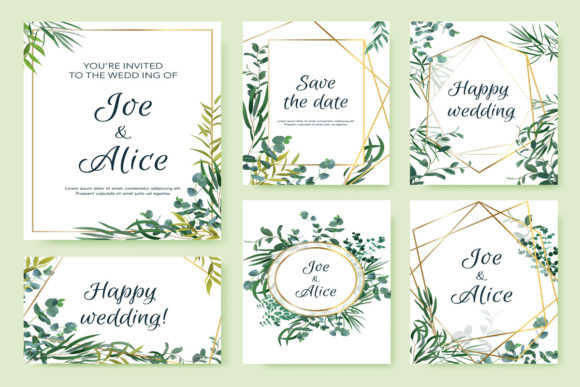
There’s a specific kind of anxiety that comes with finalizing wedding details. You’ve booked the venue, tasted the cake, and agonized over the playlist. But then comes the stationery—the literal first impression your guests will have of your event. It needs to be elegant, personal, and memorable. Many couples and designers find themselves scrolling endlessly through generic templates, searching for that perfect blend of classic romance and modern clarity. The solution often lies not in complex layouts, but in the foundational elements: the borders and flourishes that frame the essential information. This illustration set of wedding invitations can be your go-to collection for use in bringing your loved ones to your special occasion! It provides a versatile toolkit for creating designs that feel both timeless and uniquely tailored.
More Than Just a Border: The Power of a Frame
A frame does more than simply enclose text. It sets the entire mood. An ornate, gilded border immediately evokes black-tie formality and grand ballrooms. A delicate, hand-drawn botanical wreath suggests a garden party or a rustic-chic celebration. A clean, geometric frame with subtle line work points toward modern minimalism. This particular set understands that versatility is key. By offering a range of styles—from intricate floral motifs to sleek, contemporary lines—it allows you to match the visual language of the invitation to the specific tone of the wedding. The included EPS10 file is particularly valuable here, as it’s a vector format. This means you can scale these frames to any size—from a petite response card to a large signage poster—without losing a single ounce of crisp detail. That’s a practical necessity for any serious design work.
For a small business owner or a freelance designer, having a library of high-quality design assets like this is a game-changer. It streamlines the creative process. Instead of spending hours drawing a single ornate corner from scratch, you can select a pre-made frame that fits the client’s vision, drop in the typography, and focus your energy on refining the layout and color palette. It’s about working smarter, not harder, while still delivering a professional presentation that wows clients.
From Save-the-Dates to Thank-You Cards: A Cohesive Visual Story
The true magic of a well-curated frame set is its ability to create visual consistency across an entire suite of wedding materials. Think about the journey: save-the-dates, the formal invitation, details cards, RSVP cards, menus, programs, and finally, thank-you notes. Using a consistent set of frames—perhaps varying the complexity or color scheme slightly—ties all these pieces together into a single, beautiful narrative. This cohesion is the essence of brand identity for the event, making every piece feel intentionally crafted and part of a whole.
This principle extends far beyond weddings. As a creative entrepreneur, consider how these frames could enhance other projects:
- Logo Design & Branding: A simplified, elegant frame can become the cornerstone of a logo for a boutique event planning service, a luxury bakery, or a floral studio. It instantly communicates a sense of care and artistry.
- Packaging Design: Imagine these frames on product labels for artisanal chocolates, scented candles, or small-batch cosmetics. They add a layer of perceived value and craftsmanship that can justify a premium price point.
- Social Media Graphics: Use a delicate corner flourish to frame quotes, testimonials, or promotional announcements for a lifestyle blog or a wedding photographer’s Instagram feed. It elevates a simple graphic into something shareable and on-brand.
- Editorial Layouts: For bloggers and magazine designers, these frames can beautifully highlight pull quotes, chapter headings, or featured images in a digital or print publication.
Pairing Frames with Typography: A Practical Guide
A beautiful frame deserves beautiful typography inside it. The relationship between the two is critical for readability and aesthetic impact. Here’s a straightforward approach to finding the right balance:
- Let the Frame Lead: If the frame is highly ornate and detailed, choose a cleaner, more understated serif font or a simple sans serif font for the body text. A classic script font can work for names or headers, but it should be highly legible. The goal is to avoid visual competition.
- Test, Test, Test: Never assume a pairing will work. Drop your chosen text into the frame and view it at multiple sizes—what looks good on your large monitor might become an unreadable blob when printed as a small RSVP card. Check the spacing between the frame and the text; ensure there’s enough breathing room so it doesn’t feel cramped.
- Consider the Context: For a wedding invitation, you’re often combining multiple text elements: the couple’s names (often in a script or display font), the request line, the event details, and the RSVP information. Use the frame to create a clear hierarchy. The frame’s style should support, not overshadow, the most important information—the names and the date.
- Licensing is Key: Before you finalize any design for commercial use—whether it’s for a client’s wedding suite or a product you plan to sell—double-check the licensing of both the frames and the fonts you’re using. This set’s availability in a high-resolution JPEG for preview and an editable EPS file suggests it’s designed for professional use, but always verify the terms. Using a commercial font or asset without the proper license can lead to legal headaches down the road.
Ultimately, the right frame acts as a silent partner to your typography. It provides structure, adds personality, and guides the viewer’s eye. It transforms a simple collection of words into an invitation, a brand statement, or a piece of art. By integrating a versatile asset like this into your toolkit, you’re not just decorating—you’re building a foundation for clear, beautiful, and effective visual communication that resonates with any audience, from wedding guests to potential customers.